
 Dr. Shikha Mishra
Key Points-
- Dialogue in Action: Under PM Modi’s leadership, Centre builds consensus on long-pending national issues.
- Next Step: Project to be placed before Union Cabinet for approval after MoU.
- MoU Signed: Himachal Pradesh, Uttarakhand, Delhi, Uttar Pradesh, Haryana, and Rajasthan to implement Kishau Project.
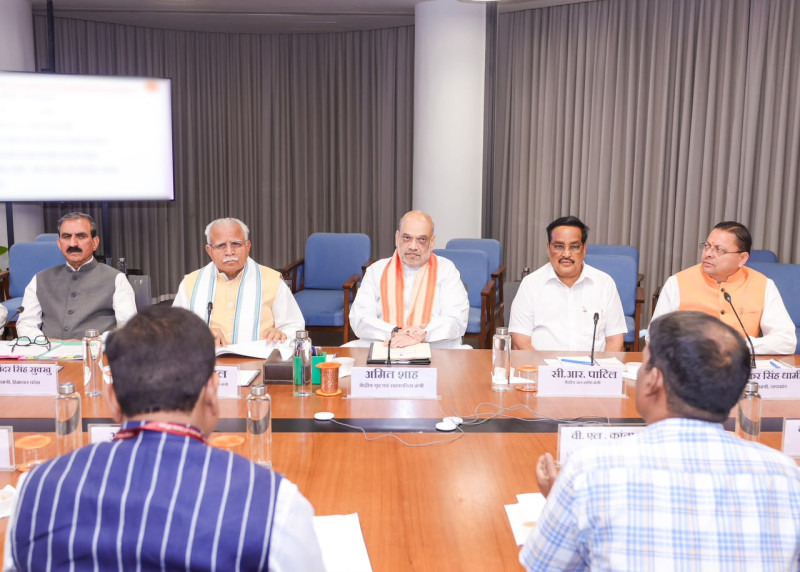
- Consensus Achieved: States agree on Kishau Multipurpose Dam Project at meeting chaired by Union Home Minister Amit Shah.
- Funding Model: Centre to bear 90% of water component cost; six states to share remaining 10%.
- Water–Power Swap: Himachal’s water share allocated to Delhi and Rajasthan in return for cost-sharing of Himachal’s power component.
- Yamuna Revival: Decision marks milestone towards cleaner, rejuvenated river with increased flow of fresh water.
Hopes for Uttarakhand from Kishau Project-
- Key Stakeholder: Uttarakhand is one of the six states that signed the MoU, making it a central partner in the project’s execution.
- Water Security: The dam will enhance regulated water flow, benefiting Uttarakhand’s downstream districts and contributing to cleaner Yamuna waters.
- Power Component: By sharing costs and benefits of the power generation segment, Uttarakhand stands to gain additional electricity supply for its growing demand.
- Economic Boost: The project promises new infrastructure, employment opportunities, and revenue streams for Uttarakhand through power and water-sharing arrangements.
- Environmental Impact: Increased clean water flow will support Uttarakhand’s ecological balance and strengthen its role in regional river rejuvenation efforts.
- Strategic Positioning: Participation highlights Uttarakhand’s proactive role in inter-state cooperation on long-pending national projects, reinforcing its image as a responsible Himalayan state.
New Delhi: In a major breakthrough for inter-state cooperation and river conservation, a long-awaited consensus has been achieved on the ambitious Kishau Multipurpose Dam Project, setting the stage for a transformative effort to rejuvenate the Yamuna River. The agreement was reached during a high-level meeting chaired by Union Home Minister and Minister of Cooperation Amit Shah in New Delhi.
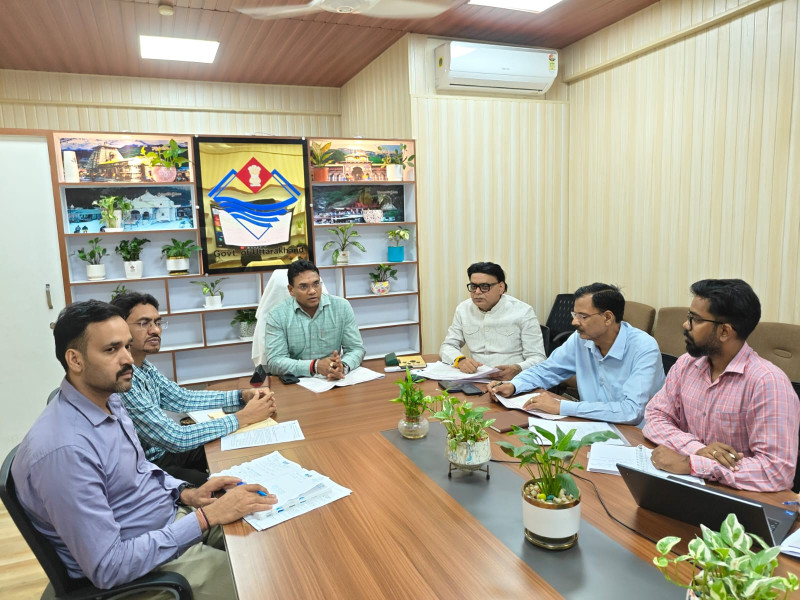
The meeting brought together representatives of six states—Himachal Pradesh, Uttarakhand, Delhi, Uttar Pradesh, Haryana, and Rajasthan—who unanimously agreed to sign a Memorandum of Understanding (MoU) for the implementation of the Kishau Multipurpose Project. Following the signing of the MoU, the project will be placed before the Union Cabinet for final approval.
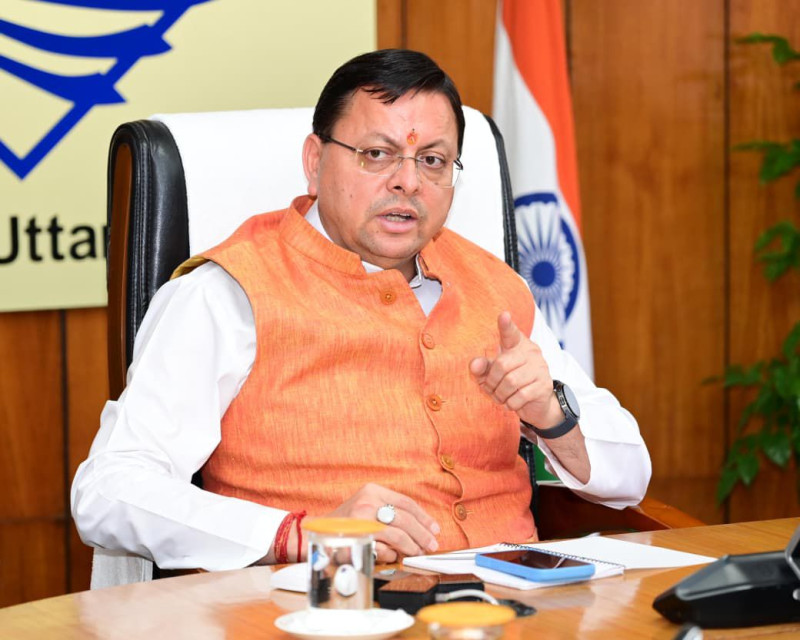
The landmark meeting was attended by Union Power Minister Manohar Lal, Union Jal Shakti Minister C. R. Patil, Himachal Pradesh Chief Minister Sukhvinder Singh Sukhu, Uttarakhand Chief Minister Pushkar Singh Dhami, along with senior officials from the Ministries of Home Affairs, Jal Shakti, Power, the Prime Minister’s Office, and the participating states.
The consensus marks a significant achievement under the leadership of Prime Minister Narendra Modi, reflecting the Centre’s commitment to resolving long-pending national issues through dialogue, cooperation, and consensus-building. The Kishau Multipurpose Project, which has remained under discussion for years, is expected to play a crucial role in enhancing water availability, improving river flow, generating hydropower, and strengthening regional water security.
A key decision taken during the meeting was regarding the project's funding structure. It was agreed that 90 percent of the cost related to the water component of the dam will be borne by the Central Government as Central Assistance, while the remaining 10 percent will be shared among the six participating states. This arrangement is expected to ease the financial burden on the states and accelerate the project's implementation.
Another significant outcome of the meeting was the agreement concerning water allocation. Himachal Pradesh consented to allocate its share of water to Delhi and Rajasthan. In return, the two beneficiary states will contribute towards the cost of Himachal Pradesh’s share in the power component of the project. The innovative arrangement reflects a spirit of cooperative federalism and mutual benefit among the participating states.
Experts believe the project will emerge as a game-changer for the Yamuna River, which has long faced challenges related to declining water flow and pollution. By ensuring a greater flow of clean water, the project is expected to contribute substantially to the restoration of the river’s ecological health and improve water availability for millions of people across northern India.
The consensus achieved on the Kishau Multipurpose Dam Project is being viewed as a landmark step toward sustainable water management and river rejuvenation. As the project moves closer to Cabinet approval, it promises to become a model of inter-state collaboration, balancing developmental needs with environmental conservation and laying the foundation for a cleaner, healthier Yamuna for future generations.