
 Dr. Shikha Mishra
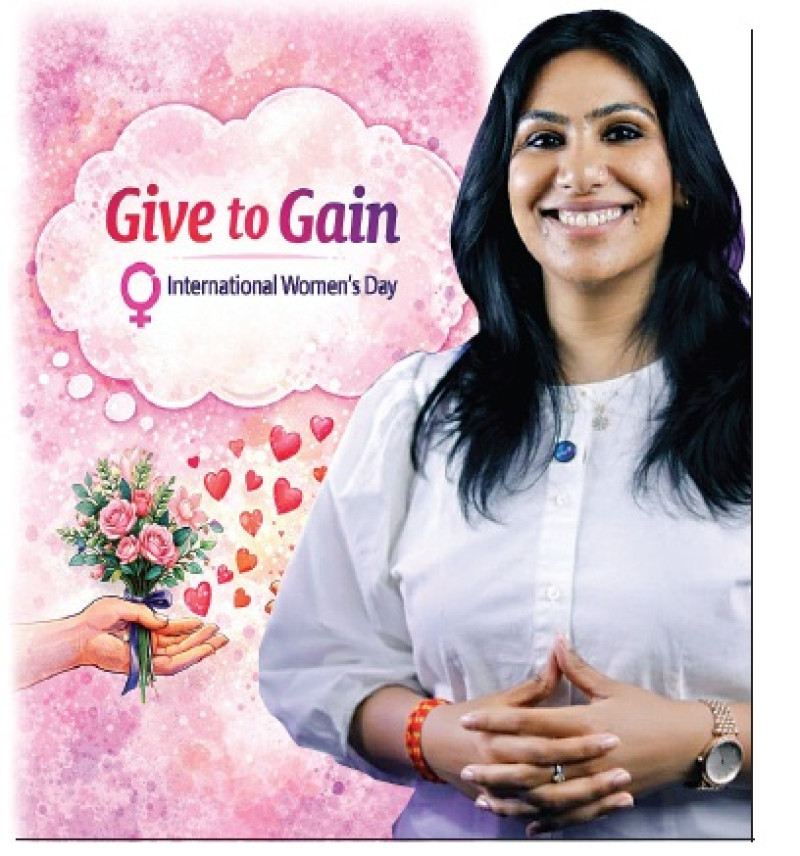
Interview/ International Women’s Day Special
Strong Women, Strong Health: Mukta Patil on Wellness, Balance and Breaking Barriers
In an exclusive conversation with The Lead Reporting, Mukta Patil, Founder of Eat Rrite, a recipient of the Global Sustainability Award 2024 (SDG-3), shares insights on holistic health and sustainable wellness. A holistic nutritionist, certified yoga teacher (RYT-200), and life coach with over seven years of experience, she helps individuals manage lifestyle diseases and hormonal imbalances through integrative approaches combining nutrition, yoga, and emotional well-being.
Her academic training includes courses from Harvard University, Stanford University, Ludwig Maximilian University of Munich, and the University of Colorado, along with certifications from INFS Pune, IGNOU, and the NLP Academy, she has delivered wellness talks at ONGC, ASC Army Units, and the Millet Festival.
Q: How are diet, fitness, and mental well-being connected in today’s fast-paced lifestyle?
Mukta:Diet, fitness, and mental health are closely linked. A balanced diet, regular physical activity, and disciplined routines help improve overall well-being. Exercise reduces stress and boosts energy, while mindful eating supports long-term health. In today’s busy lifestyle, maintaining healthy habits and prioritising self-care are essential for both physical and mental balance.
Q: Why is emotional pain so often overlooked, and how can we help rebuild strength in those who are broken?
Mukta: Emotional pain is often ignored because it’s invisible, leaving many to suffer silently. Healing begins with trust—an environment free of judgment where empathy replaces arrogance. Through compassionate listening and supportive conversations, shame fades, clarity emerges, and individuals regain confidence, strength, and dignity to move forward.
Q: How can society ensure equality for women while tackling the toll of chronic stress on their health?
Mukta: In many societies, women still carry a double burden—balancing careers with household duties, childcare, and family care—while enduring constant scrutiny over their choices. This is not about overt atrocities but about roles imposed by tradition and judgment. True progress means embracing gender-neutral roles, where every path—homemaker, professional, or both—is respected, safeguarding dignity and freedom for all.
Q: How does chronic stress affect nutrition, immunity, and overall health, especially in women?
Mukta: Chronic stress disrupts the body’s balance by elevating cortisol, weakening immunity, and impairing nutrient absorption. Women are especially vulnerable due to hormonal sensitivity and the multiple roles they juggle at home and work. Prolonged stress can trigger anemia, fatigue, and nutritional imbalance, while poor work–life balance raises risks of cervical and breast disorders. Managing stress through nutrition, rest, and healthy routines is vital for safeguarding women’s overall health and resilience.
Q: Why do many financially independent women still hesitate to seek divorce—does societal pressure or the fear of rebuilding life play a role?
Mukta: Divorce is not merely a legal decision; it carries deep emotional and social consequences. Many financially independent women still hesitate because of societal judgment, concern for family reputation, children’s well-being, and the challenge of rebuilding life from scratch. As actor Neena Gupta once said, marriage often functions as a social institution, and stepping outside it demands courage, resilience, and strong emotional support.
Q: What is your scientific view on weight-loss drugs like GLP-1 injections, Ozempic, Mounjaro, or trends like OMAD for women’s health?
Mukta: GLP-1 medications such as Ozempic were originally developed for diabetes treatment and affect metabolism by influencing hormones related to appetite and blood sugar. They can be beneficial when prescribed under medical supervision. However, these are powerful biochemical interventions that affect blood vessels, tissues, and metabolism. Using them simply because they are trendy is risky. Sustainable weight management should prioritise balanced nutrition, exercise, and professional medical guidance before considering pharmacological options.
Q: How important are protein intake and strength training for women’s long-term health?
Mukta: Protein plays a vital role in building lean muscle mass and strengthening the body. Developing muscle through proper protein intake and strength training improves overall health and can help prevent lifestyle diseases such as diabetes. It also reduces the risk of osteoporosis. Therefore, women should focus on holistic nutrition along with regular strength training to maintain long-term fitness and metabolic health.
Q: Can male doctors truly understand and address women’s health and emotional concerns?
Mukta: Understanding women’s health is not about gender but about compassion and empathy. A doctor, whether male or female, must recognise that the person in front of them is a human being experiencing medical or emotional challenges. With awareness, education, and sensitivity toward women’s health issues, male professionals can effectively understand and support female patients.
At the end I would like to assert and send a message to the audience through this interview that Health is multidimensional and depends on balance—proper nutrition, exercise, routine, and discipline. Quick fixes or fad diets cannot deliver lasting results; only a consistent, healthy lifestyle ensures sustainable fitness and long-term well-being.
(*Readers can reach out to Mukta patil @ www.eatrrite.com or eatrrite@gmail.com )