

 Dr. Shikha Mishra

By Dr. Shikha Mishra
Lifestyle Error: In today’s world, it has become nearly impossible to spot someone without their eyes glued to a mobile screen. What once seemed like a harmless habit is now emerging as a serious warning sign. Experts caution that constant phone-checking is not just a lifestyle choice—it is reshaping the way our brain functions, affecting focus, creativity, and emotional balance.
The Rise of Screen Dependency: From buses to waiting lines, idle moments are no longer spent imagining or reflecting. Instead, hands instinctively reach for phones. Studies reveal that the average person checks their device more than 90 times a day, with nearly 70 percent turning to screens during free time. Psychologists call this “boredom intolerance”—the inability to sit quietly without stimulation.
AI Generated Image.
What Science Says : Neuroscientists explain that when humans are bored, the brain activates the Default Mode Network (DMN), a region linked to deep thinking, self-reflection, and emotional regulation. But endless reels, short videos, and notifications interrupt this process, denying the brain the chance to reset. Social media delivers repeated dopamine jolts, creating instant pleasure but weakening the brain’s ability to sustain focus. Research suggests that continuous digital stimulation can reduce concentration capacity by 25–30 percent, leading to restlessness, irritability, and mental fatigue.

Creativity and Emotional Health at Risk: The impact goes beyond attention span. Experts warn that escaping boredom diminishes creativity, encourages impulsive decision-making, and heightens stress. Anxiety, burnout, and emotional imbalance are becoming common side effects of excessive screen time.
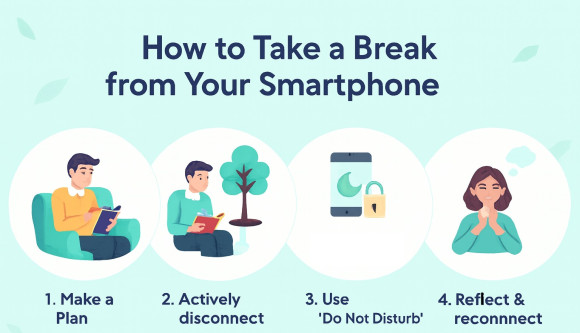
Why Boredom Matters : According to the British Psychological Society, boredom is not a disorder but a natural repair mechanism for the brain. It is the time when the mind regains balance and clarity. Specialists recommend deliberately scheduling “no-screen time” each day—taking walks without phones, sitting quietly, or simply observing the surroundings.
Children, too, should be encouraged to play and think independently rather than being constantly entertained by mobile devices or television. The debate is not about abandoning mobile phones or social media altogether. The real issue is: Why are we afraid of silence? When humans lose the ability to embrace boredom, they also lose the ability to think deeply. And that, experts say, is becoming one of the greatest mental health challenges of our time.