
 LR Bureau
Selective silence on allegations of sexual harassment raises difficult questions about institutional integrity, due process and the responsibility of public representatives
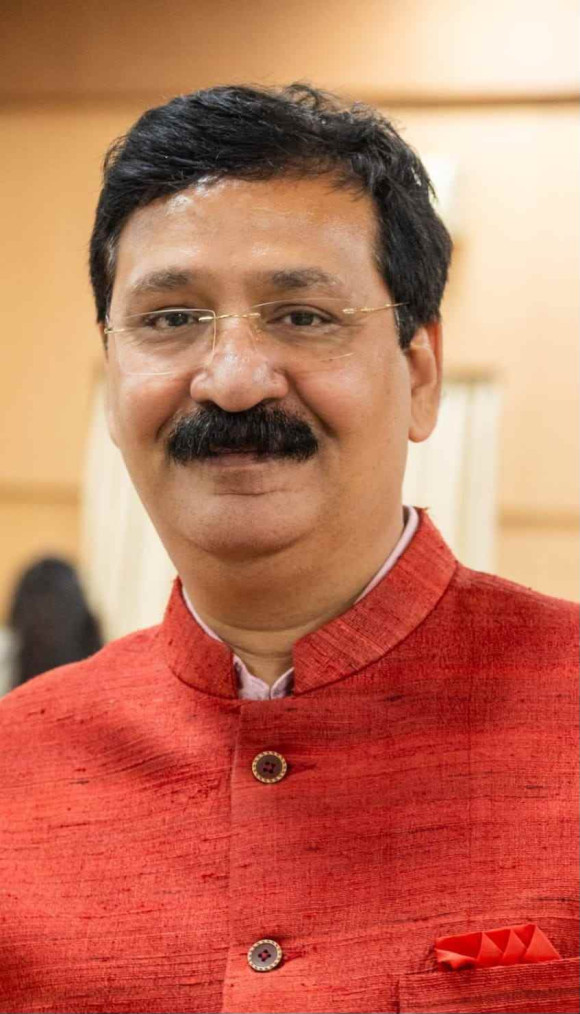
Prof (Dr) Sanjay Dwivedi - Guest Editor
- Former Director General of the IIMC, New Delhi.
- Served as Vice-Chancellor-in-Charge and Registrar of Makhanlal Chaturvedi National University of Journalism and Communication, Bhopal.
- Currently serves as Head of the Department of Mass Communication at Makhanlal Chaturvedi National University, Bhopal.
- Served as News Editor and Local Editor with leading newspapers, including Dainik Bhaskar, Swadesh and Haribhoomi.
- Authored and edited 32 books on media and social issues.
- Editor of the research journal Media Mimansa.
- Honorary Consulting Editor of Media Vimarsh.
- E-mail-123dwivedi@ail.com
The annals of educational institutions are marred by recurring accounts of misconduct that bring the sacred teacher–student relationship into disrepute. Such incidents have become distressingly familiar. Yet, when allegations emerge from a premier institution such as Jawaharlal Nehru University (JNU), they warrant particular scrutiny.
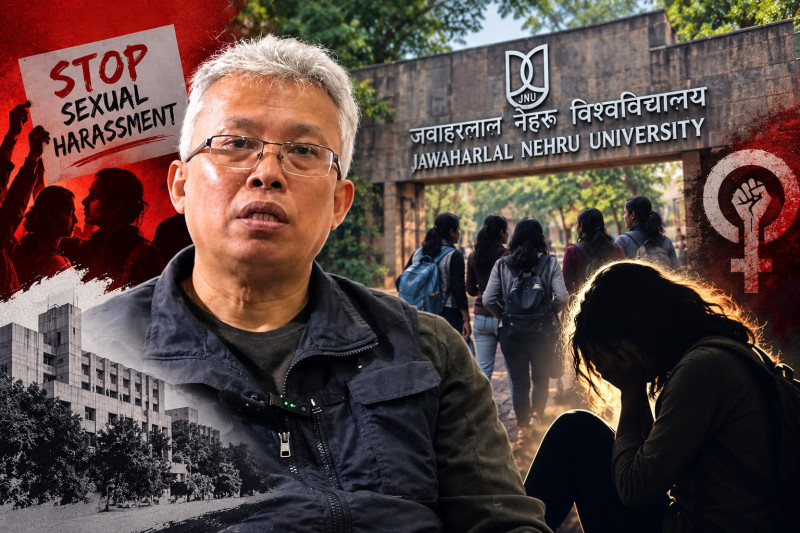
The case concerns Professor Angomcha Bimol Akoijam, a faculty member at JNU’s Centre for the Study of Social Systems and a sitting Lok Sabha MP from Manipur. Following an inquiry into complaints filed by 11 female students, the university administration dismissed him, according to the account provided. He continues to hold his parliamentary position.
Responding to the allegations, Professor Bimol has claimed that he is being targeted because of his opposition to the government. However, this defence does not, by itself, resolve the central questions raised by the case: the dignity of the teaching profession, the safety of students and the accountability expected of those entrusted with academic authority.
When the person facing allegations is also an elected representative, the matter assumes an additional public dimension. Political stature must neither prejudge the allegations nor place anyone beyond scrutiny. The essential requirement is a fair and transparent process that protects complainants, respects due procedure and upholds the integrity of educational institution.
Sexual harassment allegations in universities are serious, given the power imbalance between teachers and students. Those who report alleged misconduct deserve sensitivity, protection and freedom from retaliation. Speaking out against authority requires courage. Universities must ensure fair procedures, evidence-based decisions and safe reporting mechanisms. Intellectual freedom cannot flourish where students fear stigma, academic disadvantage or institutional indifference when raising complaints.
Daughters Breaking Barriers and Challenging Patriarchal Stereotypes
JNU’s politically conscious student community makes the allegations against a faculty member particularly troubling. The courage of the women who brought the matter to light deserves recognition. Teachers are entrusted with guiding students, and any breach of that trust undermines education’s moral foundations. According to the university’s Internal Complaints Committee, the complaints were substantiated. The professor should consider resigning from his parliamentary position on moral grounds. His party, the Congress, has yet to issue an official statement.
A safe academic environment is essential for students’ intellectual and emotional growth. Encouragingly, women are increasingly challenging exploitation and patriarchal attitudes. Despite intimidation and social barriers, they are asserting their rights, pursuing ambitions and breaking entrenched stereotypes. Their struggle represents more than individual achievement; it is a powerful demand for dignity, equality, institutional accountability and freedom.
Rise Above Party Lines
No one is above the law, and elected representatives must be held to high standards of public conduct. Allegations involving a sitting MP and professor raise serious questions about political propriety and women’s dignity. Defending an accused person merely because similar allegations have been levelled against political opponents reflects partisan inconsistency, not principled leadership. Women’s safety must transcend party loyalties, selective outrage and televised political sparring. Equally, allegations must be addressed through fair procedures, and institutional findings remain subject to applicable safeguards and review. JNU’s administration has stated that its action followed due procedure and an internal committee’s report. The case underscores a vital democratic principle: political stature must neither confer immunity nor undermine institutional accountability. Ethical standards must apply consistently, irrespective of party affiliation.
Drawing the Line: Academic Freedom Must Not Excuse Misconduct
Universities must remain spaces for free thought, ideological debate and intellectual dissent, but academic freedom cannot become a shield for misconduct or the misuse of authority. Faculty members must introspect and uphold the ethical responsibilities inherent in their profession. Political loyalties should never compromise academic integrity or institutional accountability. The growing reliance on police intervention on campuses also raises concerns about university autonomy and the need for effective internal governance. JNU’s recurring controversies underline the importance of addressing unlawful conduct, if established, while protecting legitimate dissent and scholarly freedom. No ideology should be beyond scrutiny, nor should inflammatory or unlawful activity be excused in its name. The line must be clear: universities should nurture critical thinking, not become sanctuaries for impunity or spaces where accountability yields to political expediency.
Institutional Accountability Is Imperative
The JNU controversy raises urgent questions about campus safety, abuse of authority and institutional accountability. The reported allegations against Professor Angomcha Bimol Akoijam, a sitting MP, strike at the heart of the teacher-student relationship and demand a fair, transparent institutional response. The perceived silence of sections of JNU’s self-proclaimed revolutionaries also warrants scrutiny, particularly when women’s dignity transcends political affiliations. Students who report harassment must be encouraged and protected, as confronting institutional power is rarely easy. JNU Vice-Chancellor Professor Santishree Dhulipudi Pandit and the university administration have faced scrutiny over the disciplinary action; the process must be judged by its adherence to due procedure and fairness.
Between slogans such as “Beti Bachao, Beti Padhao” and “Ladki Hoon, Lad Sakti Hoon,” the persistence of such concerns exposes a troubling gap between rhetoric and reality. Campus safety requires concrete action, impartial inquiries and accountability—not inconclusive television debates. Delaying reform risks further eroding trust.