
 Dr. Shikha Mishra
"India’s Hidden Emergency: NFHS-5 Data Reveals over half of Pregnant Women Are Aneamic"
"According to Anemia Mukt Bharat evaluations, and replenishment takes months—too slow for women diagnosed late in pregnancy, compliance often falls below 50 percent."
New Delhi, January 07, 2025:
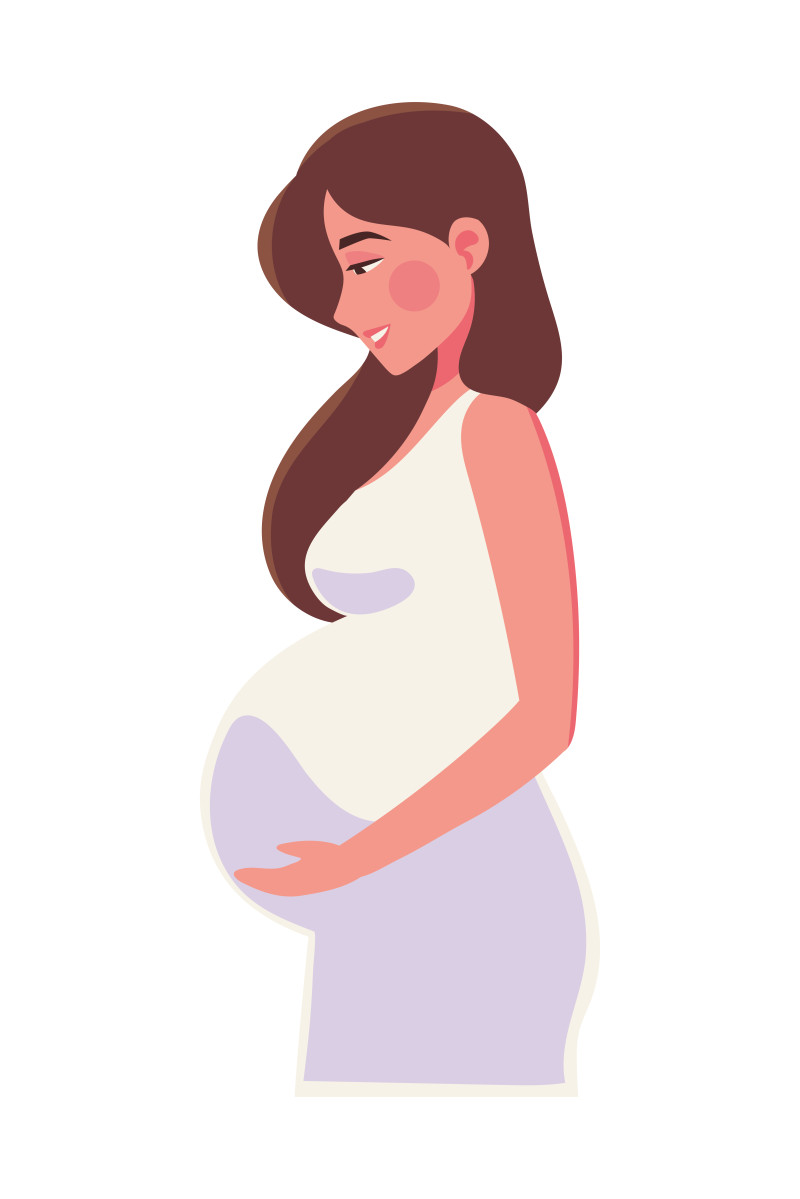
Behind the joy of motherhood lies a stark crisis. According to the National Family Health Survey-5 (2019–21), 52.2 percent of pregnant women in India are anaemic—a figure that exposes one of the gravest public health challenges facing the nation. The condition, often dismissed as mere “tiredness,” is in fact a silent killer, raising the risk of severe hemorrhage during childbirth, preterm deliveries, and underweight babies who carry lifelong health burdens.
A Bleak Reality
The numbers tell a disturbing story. While marginally improved from earlier surveys, India still records one of the highest anaemia rates globally. In states such as Bihar, Uttar Pradesh, and Madhya Pradesh, prevalence exceeds 60 percent, disproportionately affecting marginalized communities. A PLOS One study and PTI reports describe anaemia as a “silent emergency” contributing to 20–30 percent of maternal deaths linked to hemorrhage. Babies born to anaemic mothers face double the risk of preterm delivery and impaired immunity due to iron deficiency crossing the placenta.
Cycles of Poverty and Poor Health
A Lancet commentary on India’s REVAMP trial warns that untreated anaemia perpetuates cycles of poverty and ill health, trapping families across generations. Diet patterns compound the crisis: staples like rice, wheat, and millet release phytates that block iron absorption, while tea and coffee consumed after meals worsen the problem. Many women enter pregnancy with depleted iron reserves from adolescence, heavy menstrual losses, or parasitic infections such as malaria. Pregnancy itself triggers inflammation and hepcidin production, shutting down iron absorption receptors and reducing supplement effectiveness by up to 70 percent.
Treatment Challenges
Oral iron tablets—typically 100–200 mg with folate—used for the frontline therapy but are plagued by side effects such as vomiting, abdominal pain, and constipation, affecting 30–40 percent of patients. Compliance often falls below 50 percent, according to Anemia Mukt Bharat evaluations, and replenishment takes months—too slow for women diagnosed late in pregnancy.
Intravenous iron infusions are emerging as a game-changer
A 2025 meta-analysis in BMC Pregnancy and Childbirth covering 15 randomized trials with over 4,200 women found IV iron raised haemoglobin 6–13 g/L faster than oral therapy, with fewer gastrointestinal complications. India’s ongoing RAPIDIRON trial is testing early second-trimester IV dosing to achieve safer haemoglobin levels of 11 g/dL. Government protocols restrict IV administration to primary health centers and above, with strict monitoring for rare allergic reactions.
Prevention over Cure
Experts stress that prevention is more effective than cure. Iron-rich diets—spinach, lentils, chickpeas, jaggery, meat, and fish—paired with citrus can triple absorption. Routine haemoglobin checks from week 12 of pregnancy catch early dips. Under Anemia Mukt Bharat, IV access has expanded to 1.5 lakh facilities nationwide, while pilot projects fortifying staples like rice with iron have shown success.
This is not alarmism—it is a wake-up call. India’s anaemia crisis is a hidden emergency that demands urgent attention, stronger interventions, and community-driven solutions to safeguard mothers and the next generation.