
 Dr. Shikha Mishra
Project to blend science, community participation and habitat planning to protect river biodiversity
The project titled “Safeguarding breeding habitats of Indian Skimmer and sympatric birds through monitoring and community participation in the Ganga Basin,” launched
Dehradun: The Bombay Natural History Society (BNHS) has initiated a fresh conservation initiative in Dehradun under the National Mission for Clean Ganga (NMCG), aimed at safeguarding the endangered Indian Skimmer species within the Ganga Basin.
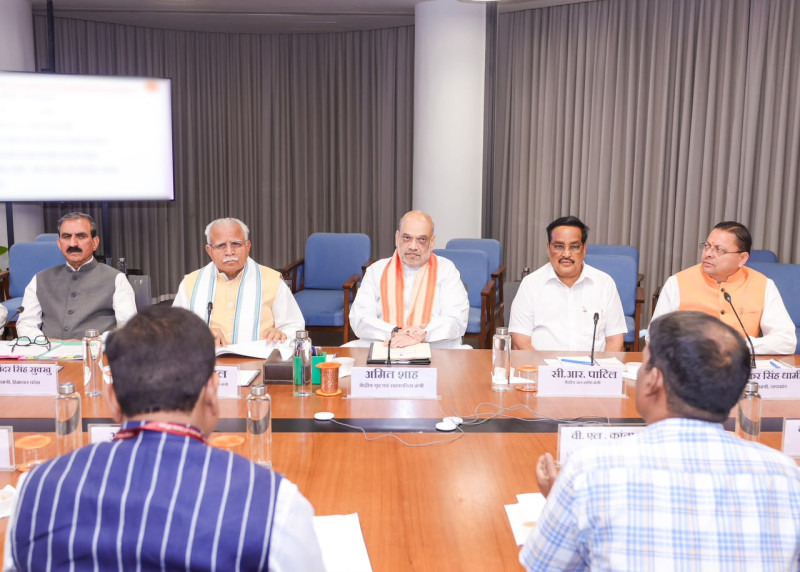
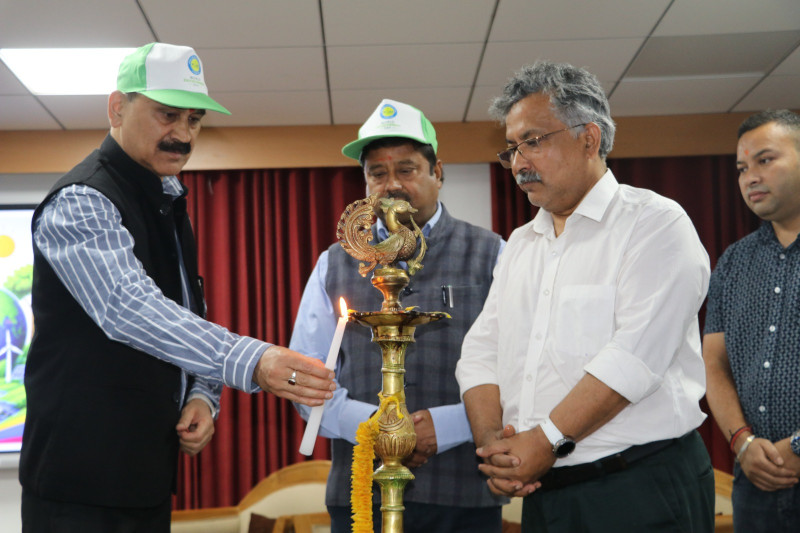
The project, titled “Safeguarding breeding habitats of Indian Skimmer and sympatric birds through monitoring and community participation in the Ganga Basin,” was recently inaugurated by Union Minister for Jal Shakti C. R. Patil. The initiative focuses on protecting river sandbars—critical nesting habitats for the Indian Skimmer and several other river-dependent bird species.
According to BNHS, these fragile breeding grounds are increasingly under threat from sand mining, altered river flows, unregulated human activity and disturbance caused by livestock. The project seeks to counter these pressures through systematic monitoring, habitat protection measures and active participation of local communities.
Building on the success of similar efforts in the National Chambal Sanctuary, where community involvement significantly improved nesting success, the initiative will now be expanded to key river stretches, including the Chambal River, the Upper Ganga near Bijnor and Narora, the Ganga–Yamuna confluence at Prayagraj, and the Lower Ganga near the Vikramshila Gangetic Dolphin Sanctuary in Bihar.
Local residents will be trained as ‘Nest Guardians’ and ‘River Guardians’ to protect nests, monitor bird populations, mitigate threats and assist in data collection. The programme is also expected to generate livelihood opportunities while fostering long-term stewardship of river ecosystems.
In addition to the Indian Skimmer, the project will support the conservation of other declining river birds such as the Black-bellied Tern, River Tern, River Lapwing, Great Thick-knee, Little Tern and Little Pratincole—species considered key indicators of river health.
India is home to nearly 90 per cent of the global Indian Skimmer population, underscoring the country’s critical role in the survival of the species. BNHS notes that the bird’s numbers have plummeted due to habitat loss, unplanned dam water releases, sand mining, predation and increasing human interference.
By integrating scientific research, community participation and strategic planning, the BNHS–NMCG project aims to create a scalable conservation model that can be replicated across the Ganga Basin to protect its fragile riverine biodiversity.